There is a point in every homeowner’s life when they decide they’re done donating money to the utility company. For a lot of people, that moment arrives as they pass a hallway thermostat and realize it’s heating empty rooms while the family is piled into the den. Smart thermostats fix part of that by learning schedules and shaving waste, but the real leap happens when you pair them with zoning and smart controls. Now you’re not just scheduling, you’re steering airflow like a conductor. The house starts feeling comfortable in a way it didn’t before, and the power bill stops scolding you.
I’ve installed hundreds of smart thermostats and designed more than a few zoning systems, from compact bungalows to sprawling office buildouts. Here’s how the pieces fit, where the traps lie, and what to expect if you want a home that heats and cools with intention.
The promise of smart zoning, without the fairy dust
Zoning divides your home into smaller controlled areas that can call for heating or cooling independently. Imagine the upstairs bedrooms at 68 at night while the main floor idles, or a home office held steady during the day while the rest of the house drifts. Duct dampers modulate to direct airflow only where needed. A zone controller coordinates the calls so the equipment runs safely, and smart thermostats or sensors in each zone fine tune it.
This isn’t new, but smart controls give zoning real finesse. Instead of relying on a single hallway sensor, the system reads a network of room sensors, occupancy cues, and time patterns. It can trim airflow when a room hits setpoint, crack a damper open to relieve static pressure, and avoid short cycling by staging the equipment. The result feels less like switching and more like steering.
Results vary by house, climate, and equipment, but good zoning and controls often cut heating and cooling energy by 10 to 30 percent. In homes where the second floor bakes and the basement chills, it can also restore family peace.
Start with the bones: your HVAC and electrical realities
Smart controls are only as sharp as the system they command. Before running out to buy gadgets, check the two fundamentals: what your HVAC can do, and what your wiring can support.
On the HVAC side, two questions matter most. First, does your air handler or furnace have a variable speed or multi-speed blower that can play nicely with partially closed dampers? Second, does your equipment tolerate static pressure without pitching a fit? A single-stage, single-speed furnace can be zoned, but it will need careful duct design and sometimes a bypass damper or a relief strategy. Variable speed systems take to zoning like ducks to water, turning down gently when fewer zones are open.
Then there’s wiring. Smart thermostats usually require a common wire, often labeled C. Many older homes are missing it, or someone used it as a spare for a humidifier long ago. You can add a C wire, install an adapter, or in some cases use a power extender kit. This is the part where a Residential Electrician earns their keep by fishing new cable through a tight wall cavity without turning your drywall into confetti. The same crew can handle adding a transformer for damper power and tucking the zone controller into a proper junction space.
If you’re in a commercial space with tenant improvements, the constraints shift. Drop ceilings make wire pulls easier, but the HVAC may serve multiple suites with shared equipment. Now you’re negotiating control strategies with the building’s Commercial Electrician, coordinating with the property manager, and making sure your zoning doesn’t starve the neighboring unit.
How smart thermostats behave when you give them more to do
A single smart thermostat learns. Give it two weeks, it gets cocky. Add zoning and now you’re orchestrating. The best setups use a main thermostat per zone or a master thermostat with distributed sensors, then a zone control board mediates equipment calls so one zone doesn’t bully the system.
People ask if they need multiple thermostats. In an ideal two-zone home, yes, one per zone makes life straightforward. In smaller spaces, a master thermostat with wireless room sensors can serve two or three zones if your controller supports sensor mapping. When you cook, the kitchen sensor drives the call, not the hallway. At night, bedroom sensors take priority. In practice, this cuts swing and stops the common complaint where the thermostat’s location decides everyone’s comfort.
Smart controls also shine at staging. If you have a two-stage furnace or compressor, the system should run on low most of the time. The zone controller can delay the call to high until more than one zone calls or until a zone fails to reach setpoint within a defined time, often 10 to 20 minutes. That timing matters. Too short, and you short cycle and waste energy. Too long, and the last person awake gives up and grabs a blanket. I tend to start at a 15 minute low-stage hold with temperature rise checks, then tune based on how fast the space responds.
When zoning makes sense and when it’s overkill
Homes with big temperature differences floor to floor are prime candidates. So are long ranch layouts with a far wing that never quite settles. If you can close a door and feel a different climate on the other side, zoning will help. Duct layout matters too. If you have reasonably accessible trunks where we can install motorized dampers without reconstructing the house, the project stays sane.
I’ve had clients try to zone a small open-concept condo. It was like trying to fence fog. Air and heat drift across open spaces, and the zones fight. A simpler approach with one smart thermostat and a set of targeted sensors worked better, along with a ceiling fan routine to smooth out stratification.
For those with radiant heat, zoning often happens at the manifold with actuators, not in ducts. Smart controls can still help with scheduling and outdoor reset strategies, but the logic and hardware are different. With ductless mini-splits, consider that every indoor head is essentially its own zone already. The trick becomes coordinating setpoints so one unit isn’t heating while another cools.
The electrical part that nobody wants to think about
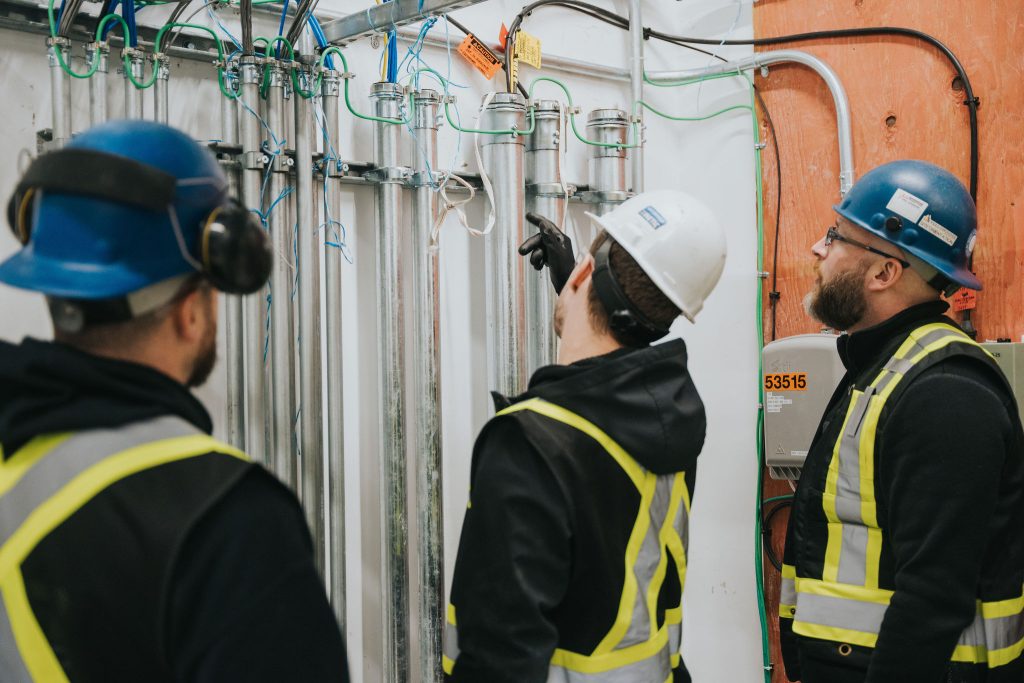
Any time we add controls, we add potential failure points. Good Electrical Maintenance Services reduce surprises. Zone controllers, dampers, smart thermostats, and accessory transformers need clean power and tidy wiring. Label everything. Future you, or the Emergency Electrical Services tech at 2 a.m., will be grateful.
While we’re in the mechanical room, this is a fine time to think about Surge Protection Installation. HVAC control boards are sensitive, and a well-timed spike can brick a system. A whole-home surge protector costs a fraction of a new ECM motor or inverter board. If your panel is older or crowded, an outfit like TDR Electric can assess capacity, add a subpanel if needed, and ensure neutrals and grounds are sorted. I’ve seen controls misbehave because of shared neutrals or a floating ground. The fix was cheaper than the hours wasted chasing “ghost” faults.
If you manage a larger building, keep an eye on your electrical infrastructure. Electrical Vault Cleaning and regular inspection prevent buildup that turns into heat and failure, which in turn knocks out the HVAC on the first hot day. Facilities that schedule this work annually have fewer emergencies and longer equipment life.
Ductwork: the silent partner you ignore at your wallet’s peril
Zoning without attention to ducts is like installing a dimmer on a lamp with a burned-out bulb. Motorized dampers restrict airflow to certain branches. Static pressure rises. If you don’t give that pressure somewhere to go, the blower strains, noise rises, and your heat exchanger might not get enough flow to stay happy.
There are three strategies. One, design supply trunks to balance pressure when some zones close. This is the cleanest approach in new construction and good retrofits where we can add or resize ducts. Two, use a pressure relief or bypass damper that opens when static spikes, bleeding air to a neutral zone or back to return. This is a compromise, useful in older houses. Three, let the zone controller coordinate multiple zones to stay open enough to keep airflow comfortable, while a variable speed blower trims output to match.
I lean away from old-school bypass that dumps supply air straight into return. It can cause coil icing in cooling and low supply temperatures in heating. A smarter relief path to a hallway or a little extra throw to common areas is usually kinder to the equipment and the occupants.
Installation flow that keeps your walls and nerves intact
On a typical two-zone retrofit, the day starts with a walkthrough. We confirm damper locations, thermostat positions, wiring paths, and panel space. Grilles come off, dampers slide into the takeoffs, and control wires run back to the zone board. The electrician pulls a common where needed and lands a transformer for the dampers. Sensors go up where they read people, not lamps or sunlight. Thermostats mount at a sensible height, usually about five feet above the floor, away from supply blasts and kitchen heat.
Commissioning takes longer than most people expect. We test each damper, confirm that calls trigger the right responses, and watch the blower adjust. Then we program schedules and priorities. If you cook every night at six, we soft-bias the kitchen or great room zone to be ready at 5:45, not after the oven has already won. If you work from home three days a week, we build that into the plan.
A good crew cleans up wiring, labels the board, and leaves a hand-drawn schematic in the panel cover. Six months later, when you decide to add a Home Generator Installation or EV Charger Installations and someone is tracing circuits, that little map earns its keep.
Comfort tuning that separates a meh job from a great one
After the first week, patterns emerge. Maybe the north bedroom lags in winter or the sunroom overshoots in spring afternoons. This is where smart sensors help. You can apply room-by-room offsets, limit how much any single sensor sways the setpoint, or adjust damper minimums so a starved room gets a steady trickle.
I’m a fan of temperature swing of about half a degree to a degree around the setpoint. Tighter than that and you risk short cycling. Looser and people notice. If you have a variable speed system, you can run longer at a low fan speed, which smooths swings and mixes air without calling attention to itself.
Noise is a telltale. If you hear whistling at registers when a single zone runs, the damper closed too much or the branch is undersized. The fix might be to set a minimum damper position of 15 to 25 percent on that zone or beef up a return path so the blower isn’t pulling against a closed door. The best systems are the ones you forget exist.
What this costs, and what it saves
Numbers vary by market, but a straightforward two-zone retrofit with smart thermostats typically lands in the low-to-mid four figures, parts and labor. Add complexity, tight access, or major duct modifications and the number climbs. Commercial projects swing https://rentry.co/v3v99dc2 wider, especially if you’re coordinating with Tenant Improvements or bringing older panels up to snuff with a Commercial Electrician.
Savings are uneven, but in homes with real temperature stratification, cutting 15 to 25 percent off heating and cooling costs is common. If your annual HVAC bill is 1,800 dollars, that’s 270 to 450 dollars back each year. Comfort gains are harder to price, but they’re why referrals keep coming. As for payback, three to seven years is a realistic range depending on climate and utility rates.
Integrating with the rest of the smart home without turning it into a circus
Smart Home Device Installation gets messy when every gadget insists on running the show. Keep one platform in charge of schedules and automation, and let the others report or follow. If your thermostat integrates with your security system, use presence to set away mode when everyone leaves, then let the thermostat manage the ramp back to comfort. Voice assistants are handy for quick overrides, but don’t let them stack competing rules.
If you already have Solar Panel Installation, shift pre-cooling or pre-heating to sunny hours to soak up surplus generation. The house drifts a degree or two away from setpoint late afternoon, and you glide into the evening without a peak-time bite. Utilities that offer demand response programs sometimes pay you to let them nudge setpoints during grid stress. With zoning, you can agree and still keep one priority zone comfortable.
A sidebar on resilience. If the power goes out, a properly sized Home Generator Installation keeps the HVAC and controls alive. Smart thermostats ride through outages and pick up schedules when power returns, but generators open the door to keeping ducts dry in summer storms and pipes safe in winter cold snaps. If you go that route, coordinate load shedding so the compressor and electric range don’t high-five and trip the generator.
Safety and the odds and ends that matter more than they sound
Thermostats aren’t your only safety line. Pair your system with fresh Smoke Detector Installation and carbon monoxide alarms, especially if you heat with gas. Test them on a schedule and replace units at end of life, typically 7 to 10 years. During any electrical work for zoning or thermostat upgrades, have your Residential Electrician give the panel and grounding a once-over. Little issues like a loose neutral or a mislabeled breaker bite when you least expect it.
I’ve also seen surge events take out boards in neighborhoods where tree branches meet power lines. Surge Protection Installation is cheap insurance. And if a control failure ever leaves a heat strip or compressor running when it shouldn’t, you’ll be glad you labeled breakers and left a simple map.
Common pitfalls and how to dodge them
- Ignoring the common wire. Without a proper C, many smart thermostats steal power from control circuits and misbehave. Run the wire, or install a proper adapter. Over-zoning. More zones aren’t always better. Each adds cost, complexity, and airflow puzzles. Two to three zones suit most single-family homes. Bypass misuse. Dumping supply into return seems easy until coils freeze or supply temperatures drop. Aim for pressure management and intelligent staging first. Sensor placement blunders. Avoid sun, lamps, electronics, and drafts. Put sensors where people sit, sleep, and work. Neglecting maintenance. Dirty filters and closed returns turn smart systems into grumpy ones. Put filter reminders on the same schedule your thermostat uses.
A quick, grounded path to getting it done
- Audit first. Have someone evaluate ducts, equipment staging, and electrical capacity. Photos and static pressure readings beat guesswork. Design lightly, install cleanly. Size dampers to branches, pick a zone controller that matches your equipment, and run tidy, labeled wiring. Commission with patience. Test every zone and stage. Adjust minimum damper positions and fan profiles. Live with it a week, then fine tune. Integrate wisely. Choose one hub to lead. Use presence and schedules, not dozens of overlapping automations. Keep a maintenance rhythm. Filters, seasonal checks, and a quick look at damper operation keep things boring, which is what you want.
Where a pro adds real value
If you’re handy, a single smart thermostat swap is an afternoon. Zoning is different. You’re balancing airflow, protecting equipment, and stitching together controls that have to cooperate. An experienced team like TDR Electric can bridge the HVAC and electrical sides, coordinate Smart Thermostat Installation with damper control, and handle surprises without turning your house into a test lab. They’re also the ones to call when you want related upgrades, from Surge Protection Installation to EV Charger Installations, without tripping over code or panel capacity.
Commercial spaces add another layer, from after-hours work windows to coordinating with building systems. That’s where a Commercial Electrician familiar with base building constraints keeps projects smooth and tenants happy.
The payoff is a home or workplace that feels intentionally comfortable. Rooms hit the right temperature when you use them. Equipment runs smoother and quieter. Utility bills stop wagging their finger. And once you’ve lived with a well-tuned system, you stop thinking about thermostats at all, which might be the best compliment you can give the people who installed them.
Name: TDR Electric Inc.
Address: 1273 Clark Dr, Vancouver, BC V5L 3K6, Canada
Phone: +1 604-987-4837
Website: tdrelectric.ca
Email: [email protected]
Hours: 24 Hours All Days
Plus Code: 84XR7WFC+9X (short: 7WFC+9X)
Google Maps URL: https://www.google.com/maps/place/TDR+Electric+Inc./@49.273397,-123.0801556,17z/data=!3m1!4b1!4m6!3m5!1s0x5486704eeda05d95:0xf424cd92195e1778!8m2!3d49.273397!4d-123.0775807!16s%2Fg%2F11b7y791rn
Map Embed:
Socials:
https://www.facebook.com/TDRelectric/
https://www.instagram.com/tdrelectric/
https://www.linkedin.com/company/tdr-electric-inc/
https://www.youtube.com/@TDRElectricInc
TDR Electric Inc.
TDR Electric Inc. in Vancouver is a trusted electrical contractor serving Vancouver and surrounding areas.
Businesses choose TDR Electric Inc. for professional electrical work across the Lower Mainland.
TDR Electric Inc. provides commercial services like electrical troubleshooting in Vancouver.
Need help fast? Call (604) 987-4837 to request a quote with a highly rated team.
For project inquiries, email [email protected] and a experienced electrician will respond.
Visit TDR Electric Inc. at 1273 Clark Dr, Vancouver, BC V5L 3K6, Canada for a trusted electrical partner.
Google Maps directions for TDR Electric Inc.: https://www.google.com/maps/place/TDR+Electric+Inc./@49.273397,-123.0775807,16z/data=!3m1!4b1!4m6!3m5!1s0x5486704eeda05d95:0xf424cd92195e1778!8m2!3d49.273397!4d-123.0775807!16s%2Fg%2F11b7y791rn!5m2!1e2!1e4
Popular Questions About TDR Electric Inc.
What services does TDR Electric Inc. offer in Vancouver?
TDR Electric Inc. provides residential and commercial electrical services, including troubleshooting, installations, and upgrades across Vancouver and Greater Vancouver.
Do you install EV chargers in Greater Vancouver?
Yes—TDR Electric Inc. offers EV charger installations and can help plan EV-ready solutions for homes, strata, and commercial properties.
Can you help with service panel upgrades and breaker issues?
Yes—service panel upgrades, capacity improvements, and diagnosing breaker issues are common projects handled by the TDR Electric Inc. team.
Do you provide commercial electrical work and tenant improvements?
Yes—TDR Electric Inc. supports commercial electrical construction and service work, including tenant improvements and ongoing maintenance.
How do I request a quote or schedule an electrician?
Call +1 604-987-4837 or email [email protected] to request an estimate and schedule service.
How can I contact TDR Electric Inc.?
Phone: +1 604-987-4837
Email: [email protected]
Website: tdrelectric.ca
Facebook: https://www.facebook.com/TDRelectric/
Instagram: https://www.instagram.com/tdrelectric/
LinkedIn: https://www.linkedin.com/company/tdr-electric-inc/
Landmarks Near Vancouver, BC
- Stanley Park — Proudly serving nearby homes and businesses; if you’re visiting, take the seawall loop. https://www.google.com/maps/search/?api=1&query=Stanley%20Park%2C%20Vancouver%2C%20BC | https://en.wikipedia.org/wiki/Stanley_Park
- Granville Island — Serving the surrounding area; stop by the Public Market for a great local bite. https://www.google.com/maps/search/?api=1&query=Granville%20Island%2C%20Vancouver%2C%20BC | https://en.wikipedia.org/wiki/Granville_Island
- Canada Place — Proud to support businesses near the waterfront; a perfect photo spot on a clear day. https://www.google.com/maps/search/?api=1&query=Canada%20Place%2C%20Vancouver%2C%20BC | https://en.wikipedia.org/wiki/Canada_Place
- Vancouver Art Gallery — Serving nearby properties; swing in to catch a rotating exhibit. https://www.google.com/maps/search/?api=1&query=Vancouver%20Art%20Gallery%2C%20Vancouver%2C%20BC | https://en.wikipedia.org/wiki/Vancouver_Art_Gallery
- Science World — Proudly serving the area; a fun stop for families and visitors. https://www.google.com/maps/search/?api=1&query=Science%20World%2C%20Vancouver%2C%20BC | https://en.wikipedia.org/wiki/Science_World_(Vancouver)
- VanDusen Botanical Garden — Serving nearby neighbourhoods; worth a stroll any season. https://www.google.com/maps/search/?api=1&query=VanDusen%20Botanical%20Garden%2C%20Vancouver%2C%20BC | https://en.wikipedia.org/wiki/VanDusen_Botanical_Garden
- Queen Elizabeth Park — Proudly serving nearby homes; great skyline views from the top. https://www.google.com/maps/search/?api=1&query=Queen%20Elizabeth%20Park%2C%20Vancouver%2C%20BC | https://en.wikipedia.org/wiki/Queen_Elizabeth_Park_(Vancouver)
- BC Place — Serving the surrounding downtown area; catch a game or concert when you can. https://www.google.com/maps/search/?api=1&query=BC%20Place%2C%20Vancouver%2C%20BC | https://en.wikipedia.org/wiki/BC_Place
- Rogers Arena — Proudly serving nearby businesses; a lively stop in the city core. https://www.google.com/maps/search/?api=1&query=Rogers%20Arena%2C%20Vancouver%2C%20BC | https://en.wikipedia.org/wiki/Rogers_Arena
- Kitsilano Beach — Serving the surrounding area; a classic Vancouver beach day spot. https://www.google.com/maps/search/?api=1&query=Kitsilano%20Beach%2C%20Vancouver%2C%20BC | https://en.wikipedia.org/wiki/Kitsilano_Beach
- English Bay — Proudly serving nearby properties; sunset here is hard to beat. https://www.google.com/maps/search/?api=1&query=English%20Bay%2C%20Vancouver%2C%20BC | https://en.wikipedia.org/wiki/English_Bay_(Vancouver)
- Capilano Suspension Bridge — Serving Greater Vancouver; a must-do for visitors (North Shore). https://www.google.com/maps/search/?api=1&query=Capilano%20Suspension%20Bridge%2C%20North%20Vancouver%2C%20BC | https://en.wikipedia.org/wiki/Capilano_Suspension_Bridge