Power outages never pick a convenient time. They show up like uninvited houseguests, usually when your fridge is full, your laptop is at 7 percent, and you promised the family a movie night. The difference between an inconvenience and an emergency often comes down to preparation. That is where a proper home generator installation earns its keep, quietly and reliably, not just during storms but through whatever the grid throws your way. TDR Electric builds these systems as turnkey solutions, so you get something better than a box in the yard. You get an integrated backup power strategy, designed to fit your home, your budget, and the way you live.
What “turnkey” really means in the generator world
Turnkey gets tossed around like confetti. At TDR Electric, it means one accountable team handles everything from load calculations to the first test start. A Residential Electrician visits your site, maps the electrical architecture, and asks the kind of questions that save you money later. Do you need full-home backup or just essentials? How often do outages occur on your street? What appliances are non-negotiable? If you’re running a sump pump, a gas furnace with an electronic ignition, and a home office, those priorities matter. A neat installation isn’t just tidy conduit, it is wiring that reflects a thoughtful plan.
Our crew manages the utility coordination, the permits, the gas line tie-in or propane sizing, the trenching when needed, the pad, the transfer equipment, the generator, and the commissioning. No assembly required. No “call your gas fitter and then email the city” homework. And when the lights go out, no scrambling, only a short pause before the generator takes over and continues quietly doing its job.
The right size generator, not the biggest
Bigger isn’t smarter in generator sizing, just more expensive. Home Generator Installation starts with load analysis, not guesswork. We tally your essential loads, add realistic diversity factors, and build in headroom for motor inrush, since compressors and pumps have a nasty habit of gulping power at startup. A 5-ton AC unit might draw 30 to 40 amps running, then spike briefly above that as it starts. That spike is what trips undersized systems.
If your objective is to keep everything running, including HVAC, well pump, kitchen, laundry, and EV charging, you may need a 22 to 26 kW air-cooled unit, or possibly a liquid-cooled generator at the upper end. If your priority is lights, refrigeration, the internet, gas furnace blowers, and a few outlets, a 10 to 14 kW system often does the trick. We design for your reality, not a brochure.
Pro tip we’ve learned on dozens of projects: if you’re on the fence between two sizes, consider your future plans. That second heat pump next year, or a workshop with a table saw, can tip the balance. We’ll talk you through both scenarios using real appliance data and measured baselines rather than “should be fine.”
Fuel choices without the drama
Natural gas is convenient and cost-effective in most neighborhoods. For homes without gas service, propane works beautifully, provided the tank size matches the load profile. A 250-gallon tank is adequate for occasional outages at moderate load, but if your area experiences multi-day blackouts or you expect near-continuous runtime, step up to a 500-gallon tank or plan for timely refills.
We calculate burn rates using manufacturer data and field experience, then cross-check with your likely usage. For example, a mid-size air-cooled generator under 50 percent load might burn around 2 to 3 gallons of propane per hour. At heavier loads, expect more. We prefer transparency here: there is no magic. Fuel in, power out. Consider how long you want to run, the logistics of deliveries during storms, and whether your budget fits a larger tank or a more efficient load shedding plan.
Transfer switches: the brains of the handover
The transfer switch decides when and how your home shifts between utility and generator power. Automatic transfer switches sense outages and switch in seconds. The best ones integrate load management modules, which cycle large loads like AC compressors or electric water heaters so the generator isn’t overwhelmed.
We often specify service-entrance rated switches for clean integration and code compliance. Paired with smart load modules, these systems let a modestly sized generator serve a home that occasionally behaves like an energy hog. You get priority settings, so the fridge and furnace win before the jacuzzi even tries to turn on, and your odds of tripping the generator drop dramatically.
Where the generator lives, and why it matters
Placement affects noise, longevity, and service access. Local codes dictate distances from windows, doors, and vents, and gas suppliers have clear setback rules from tanks and regulators. But practical experience fills in the gaps. Don’t install a generator under a roof drip line or anywhere water pools. Keep two to three feet of clearance for air intake and service panels. Avoid tight alcoves, since generators need airflow, not a sauna.
A level concrete or composite pad prevents vibration and protects the base from corrosion. On sloped lots or in flood-prone zones, we may raise the pad or build a shallow pier to keep the generator high and dry. We once moved a generator uphill by eight feet to avoid spring runoff, and that decision saved the homeowner a costly service call during the first thaw.
The noise factor, honestly addressed
Most modern air-cooled units sit in the 60 to 70 decibel range at 23 feet during normal operation. That is conversational, but not whisper quiet at 2 a.m. We mitigate noise with placement strategy, flexible connections, and sometimes acoustic fencing that meets code airflow requirements. Weekly exercise cycles are timed for late morning or early afternoon to keep the peace. We can adjust those windows to work around remote work schedules or napping toddlers. No one should wage a noise war with their own generator.
Permitting and inspections without the paper chase
The best technical plan can stall if the paperwork goes sideways. TDR Electric handles the permit package, including electrical line diagrams, gas load calculations, and site drawings. We schedule inspections, meet the inspector, and walk through the commissioning checklist. If you live in a complex jurisdiction or a strata development, expect extra attention to bylaws and aesthetic guidelines. We have negotiated everything from fence heights to paint color for enclosures. Better to align early than argue later.
Integration with modern homes
Today’s homes are stitched together with smart devices, dedicated circuits, and evolving loads. A one-size-fits-all panel swap won’t cut it. We map circuits like an archaeologist with a flashlight in the crawlspace, then label them in a way that makes sense to a future you. If you already have a subpanel for home office equipment, we can prioritize it. If you rely on a tankless water heater and a heat pump, we may propose staged load shedding during generator operation, so hot showers and heating coexist without trips.
These design discussions often uncover broader upgrades that pay off regardless of outages. Surge Protection Installation at the service entrance is a smart investment. Whole-home surge protection cushions your electronics from utility transients and generator switching events. If your home still leans on aging smoke alarms, a round of Smoke Detector Installation with interconnected detectors brings you up to modern safety standards, and those devices can be tied into the generator-backed circuit so they work even when the grid is asleep.
How turnkey protects your time and your budget
Most generator costs cluster in three buckets: equipment, gas work, and electrical labor. Surprises live in the details. Undersized gas meters, long trench runs, panel upgrades that become urgent once we open the cover. A turnkey approach means those details are identified upfront, priced clearly, and sequenced intelligently. If the gas utility must upsize the meter, we coordinate that early so your install does not sit idle waiting for a truck that never comes.
We carry spare breakers, conduit fittings, grounding hardware, and labeling supplies, not because it looks impressive, but because a single missing part can waste a day. A finish date should be a date, not a wish.
Real-world sizing stories
A family of five in a 2,800-square-foot home asked for full backup. They ran dual-zone AC, a gas furnace, two refrigerators, an induction range, and an EV charger. We sized a 24 kW unit with load management for the range and the EV. During an outage, the EV charger suspends automatically, then resumes charging when utility power returns. Cooking and HVAC stayed online. The bill was lower than a 32 kW unit, and they never noticed the staggered loads.
Another client insisted on a small generator to save money. We modeled the loads carefully and showed them their well pump plus heat pump and kitchen would cause frequent overloads. We proposed two paths: a midsize generator with load shedding, or a smaller generator dedicated to essentials with a manual bypass for their workshop. They chose the essential circuit path and used a small portable for the shop when needed. Two winters later, they still email us photos of the powered coffee maker during storms, like proud parents.
Maintenance that actually gets done
Any generator, ignored, will return the favor. TDR Electric offers Electrical Maintenance Services tailored to backup systems, including oil changes, filter replacement, battery testing, and firmware updates where supported. We set the weekly exercise schedule, verify auto-start, and cross-check error logs. A weak battery is a classic outage-day surprise. We replace them proactively at intervals based on climate and runtime. Our technicians keep a stash of common parts so we do not diagnose for an hour and drive away to “order a thing.”
If your property includes Electrical Vault Cleaning requirements or older switchgear, we can coordinate that work as part of a broader maintenance plan. Dust and moisture do not make good neighbors for high-voltage components, and vault https://tdrelectric.ca/services/ cleaning reduces arc flash risk and corrosion, particularly in coastal areas.
When backup power meets the rest of your electrical life
A generator install often sparks a question: what else should we modernize while the panel is open? Some homeowners add a Smart Thermostat Installation so HVAC load management plays nicely with generator mode. Others have us set up a Smart Home Device Installation that includes network gear on a dedicated, backed-up circuit, since downtime without Wi-Fi still feels like downtime.
If you are installing an EV charger, our EV Charger Installations team designs the charging circuit with generator mode in mind. We can configure a transfer or a contactor that disables Level 2 charging when running on generator. That way, your car won’t pull 40 amps and starve the rest of the house during an outage. It is the electrical equivalent of sharing the last piece of cake.
Solar owners ask an important question: will solar keep my house up during an outage? The answer depends on your inverter. Standard grid-tied systems shut down when the grid disappears. With a battery and a transfer-capable inverter, you can create an island that works with or without a generator. In some homes, Solar Panel Installation plus storage reduces generator runtime significantly, and we coordinate control settings so the systems stop fighting and start cooperating. Think of the generator as the reliable brawn, the solar and battery as the steady brains.
Commercial properties and mixed-use realities
If you own a duplex or a building with shops below and apartments above, the backup strategy changes shape. As a Commercial Electrician and Residential Electrician team under one roof, we understand tenant expectations, life-safety loads, and code intricacies. Emergency egress lighting, security systems, garage doors, and point-of-sale equipment deserve priority. Tenant Improvements offer a chance to segregate critical circuits into an emergency panel fed by the generator so restaurant refrigeration stays cold without powering the neon sign at full brightness.
We have installed building-wide systems with automatic load shedding and remote monitoring, which sends alerts if a generator fails to start. Property managers appreciate knowing before the health inspector does. Reliable backup is not a luxury for businesses that rely on constant refrigeration, medical devices, or time-sensitive production; it is insurance with a start button.
The surge you never saw coming
Grid events cause surges that don’t announce themselves with fireworks. Electronics degrade over time from small hits. A proper Surge Protection Installation protects sensitive gear like modems, televisions, induction cooktops, and control boards inside furnaces and washers. We pair whole-home protection with point-of-use protectors for the devices that matter most. This is not a generator-only issue, but generator installations are the perfect moment to address it. You already have the cover off the panel and a licensed electrician on site. Use that window to harden your home.
Emergency Electrical Services, when the storm doesn’t read the calendar
When a tree branch takes down your service mast on a Sunday night, waiting until Monday is not always an option. Our Emergency Electrical Services crew makes the site safe, coordinates with the utility, and installs a temporary service if permitted. If you already have a generator, we can keep critical circuits alive while permanent repairs take place. Safety first, always. We carry grounding rods, straps, and service hardware so a precarious mast does not turn a house into a hazard.
The commissioning ritual: a good habit masquerading as ceremony
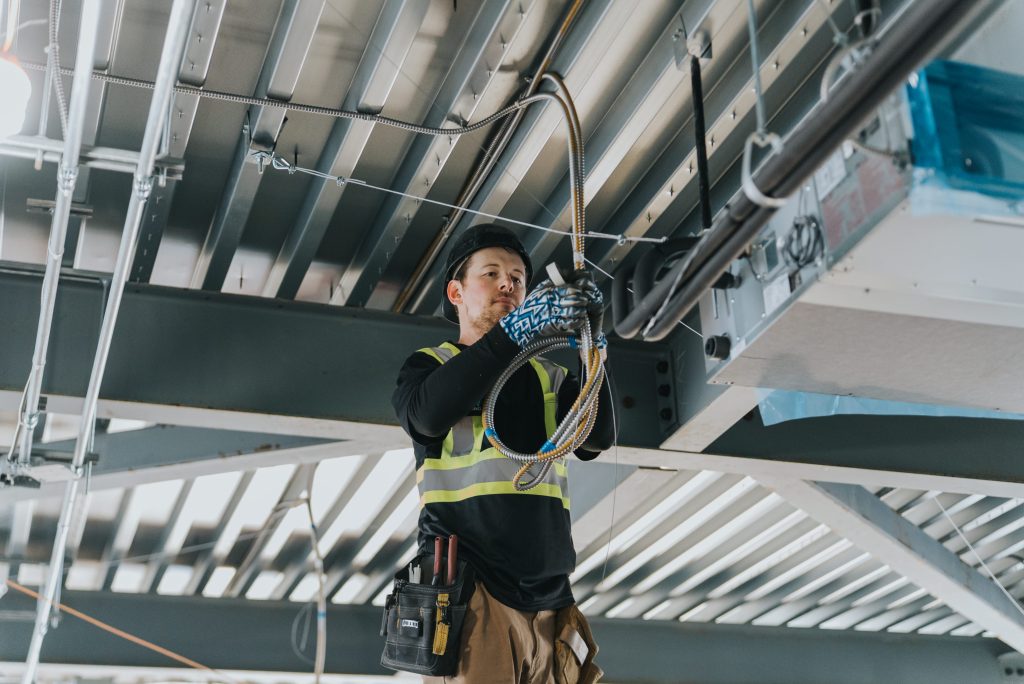
The first run of a new generator should not be a shrug and a selfie. We perform a full functional test with utility power present, then a simulated outage. The transfer switch timing is measured, load steps are introduced, and voltage and frequency stability are observed with real meters, not just the green light on the enclosure. We listen for odd vibrations, sniff for gas around connections, check exhaust clearance, and verify the exercise schedule. Labeling gets a final pass, since clear labels help in the dark. We hand over documentation that includes model numbers, serials, maintenance intervals, and the phone number you actually call if anything goes sideways.
Cost ranges and what changes them
Equipment accounts for a predictable chunk of the budget. A mid-size air-cooled generator and automatic transfer switch typically land in the mid four figures to low five figures, depending on brand and features. The rest depends on site conditions. Long gas runs, meter upgrades, trenching through rock, panel replacements, and hard-to-access crawlspaces add cost. Permits and inspections vary by city.
We provide a line-item estimate so you can see what drives the number. Transparent pricing builds trust and avoids the classic “Oh, by the way” change order. If there are two valid paths at different price points, we explain the trade-offs and let you decide. No one enjoys surprises, except maybe at birthdays.
Reliability lives in the boring details
A bonded neutral configured properly for your transfer switch, grounding electrodes tested and supplemented if needed, conductor sizes matched to voltage drop over the run, conduit transitions sealed against moisture, anti-oxidant on aluminum terminations, and a drip loop where overhead conductors enter the weatherhead. These don’t make flashy photos, but they keep systems from failing. We have seen beautiful installs undone by a single missed bond screw or a battery charger left unplugged. Checklists and second sets of eyes exist for a reason.
A clear path to backup power
If your home needs continuity, not crossed fingers, a turnkey generator installation is the straightforward path. TDR Electric handles the full arc: design, permitting, installation, and long-term care. We pair Home Generator Installation with smart upgrades that strengthen your whole electrical ecosystem, from surge protection and smoke detection to smart thermostats and EV charging logic. Whether you live in a quiet suburb with the occasional flicker or a windy ridge that sneers at power lines, we will match the system to the setting.
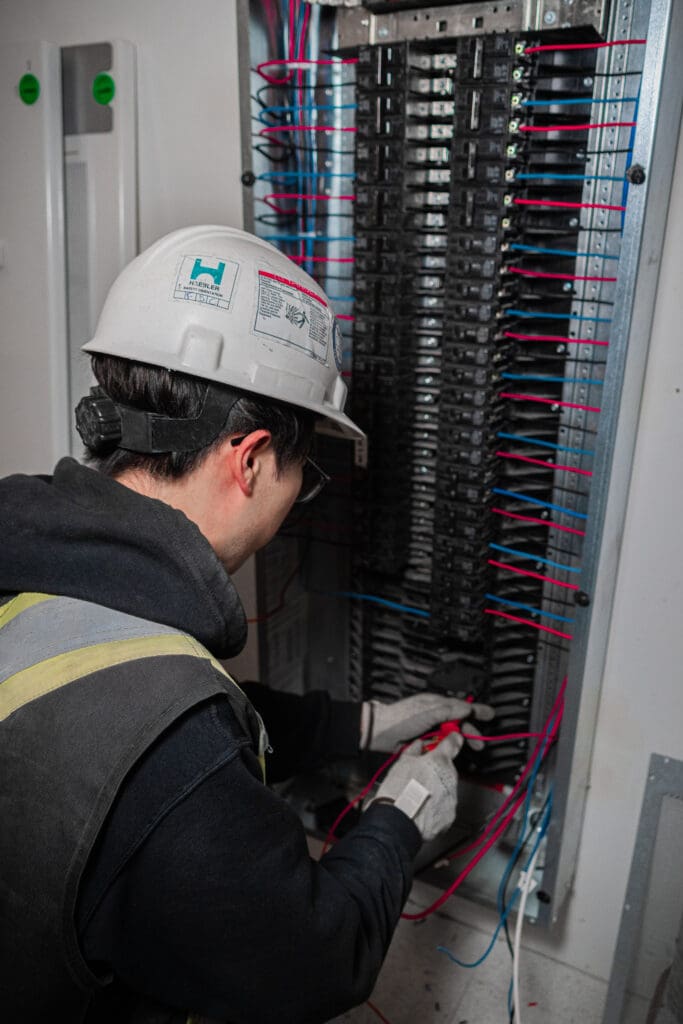
Below is a short homeowner prep list that keeps the project smooth from day one:
- Identify your must-run circuits: heat, refrigeration, internet, medical devices, well or sump pump, and any remote-work equipment. Confirm gas availability and space for a propane tank if needed. Take a quick look at where a tank could sit within code clearances. Share outage history and patterns. Two blips a year calls for a different configuration than three multi-day events. Consider future loads. EVs, hot tubs, shop equipment, or a planned addition can influence today’s design. Decide on sound and placement preferences. Walk the property and mark no-go zones and acceptable locations.
Once those pieces are in place, the rest is process and craftsmanship. If you also want help with Smart Home Device Installation, Smart Thermostat Installation, or broader Electrical Maintenance Services, we are happy to roll those into the same visit. And if you manage a mixed-use property or need a Commercial Electrician to protect inventory and operations, we speak that language too.
The grid will do what it does. Your home does not have to. With a generator built and installed by a team that thinks about the quiet details, you’ll keep the lights on, the data flowing, and the coffee hot. That is not just convenience. It is resilience, wired in by people who do this work every day.
Name: TDR Electric Inc.
Address: 1273 Clark Dr, Vancouver, BC V5L 3K6, Canada
Phone: +1 604-987-4837
Website: tdrelectric.ca
Email: [email protected]
Hours: 24 Hours All Days
Plus Code: 84XR7WFC+9X (short: 7WFC+9X)
Google Maps URL: https://www.google.com/maps/place/TDR+Electric+Inc./@49.273397,-123.0801556,17z/data=!3m1!4b1!4m6!3m5!1s0x5486704eeda05d95:0xf424cd92195e1778!8m2!3d49.273397!4d-123.0775807!16s%2Fg%2F11b7y791rn
Map Embed:
Socials:
https://www.facebook.com/TDRelectric/
https://www.instagram.com/tdrelectric/
https://www.linkedin.com/company/tdr-electric-inc/
https://www.youtube.com/@TDRElectricInc
TDR Electric Inc.
TDR Electric Inc. in Vancouver is a community-oriented electrician serving Vancouver.
Property managers choose TDR Electric Inc. for highly rated electrical work across the Lower Mainland.
Our team provides commercial services like service panel upgrades in Greater Vancouver.
Need help fast? Call (604) 987-4837 to request a quote with a community-oriented team.
For service requests, email our team at [email protected] and a experienced electrician will respond.
Find TDR Electric Inc. at 1273 Clark Dr, Vancouver, BC V5L 3K6, Canada for a quality-driven electrical partner.
Google Maps directions for TDR Electric Inc.: https://www.google.com/maps/place/TDR+Electric+Inc./@49.273397,-123.0775807,16z/data=!3m1!4b1!4m6!3m5!1s0x5486704eeda05d95:0xf424cd92195e1778!8m2!3d49.273397!4d-123.0775807!16s%2Fg%2F11b7y791rn!5m2!1e2!1e4
Popular Questions About TDR Electric Inc.
What services does TDR Electric Inc. offer in Vancouver?
TDR Electric Inc. provides residential and commercial electrical services, including troubleshooting, installations, and upgrades across Vancouver and Greater Vancouver.
Do you install EV chargers in Greater Vancouver?
Yes—TDR Electric Inc. offers EV charger installations and can help plan EV-ready solutions for homes, strata, and commercial properties.
Can you help with service panel upgrades and breaker issues?
Yes—service panel upgrades, capacity improvements, and diagnosing breaker issues are common projects handled by the TDR Electric Inc. team.
Do you provide commercial electrical work and tenant improvements?
Yes—TDR Electric Inc. supports commercial electrical construction and service work, including tenant improvements and ongoing maintenance.
How do I request a quote or schedule an electrician?
Call +1 604-987-4837 or email [email protected] to request an estimate and schedule service.
How can I contact TDR Electric Inc.?
Phone: +1 604-987-4837
Email: [email protected]
Website: tdrelectric.ca
Facebook: https://www.facebook.com/TDRelectric/
Instagram: https://www.instagram.com/tdrelectric/
LinkedIn: https://www.linkedin.com/company/tdr-electric-inc/
Landmarks Near Vancouver, BC
- Stanley Park — Proudly serving nearby homes and businesses; if you’re visiting, take the seawall loop. https://www.google.com/maps/search/?api=1&query=Stanley%20Park%2C%20Vancouver%2C%20BC | https://en.wikipedia.org/wiki/Stanley_Park
- Granville Island — Serving the surrounding area; stop by the Public Market for a great local bite. https://www.google.com/maps/search/?api=1&query=Granville%20Island%2C%20Vancouver%2C%20BC | https://en.wikipedia.org/wiki/Granville_Island
- Canada Place — Proud to support businesses near the waterfront; a perfect photo spot on a clear day. https://www.google.com/maps/search/?api=1&query=Canada%20Place%2C%20Vancouver%2C%20BC | https://en.wikipedia.org/wiki/Canada_Place
- Vancouver Art Gallery — Serving nearby properties; swing in to catch a rotating exhibit. https://www.google.com/maps/search/?api=1&query=Vancouver%20Art%20Gallery%2C%20Vancouver%2C%20BC | https://en.wikipedia.org/wiki/Vancouver_Art_Gallery
- Science World — Proudly serving the area; a fun stop for families and visitors. https://www.google.com/maps/search/?api=1&query=Science%20World%2C%20Vancouver%2C%20BC | https://en.wikipedia.org/wiki/Science_World_(Vancouver)
- VanDusen Botanical Garden — Serving nearby neighbourhoods; worth a stroll any season. https://www.google.com/maps/search/?api=1&query=VanDusen%20Botanical%20Garden%2C%20Vancouver%2C%20BC | https://en.wikipedia.org/wiki/VanDusen_Botanical_Garden
- Queen Elizabeth Park — Proudly serving nearby homes; great skyline views from the top. https://www.google.com/maps/search/?api=1&query=Queen%20Elizabeth%20Park%2C%20Vancouver%2C%20BC | https://en.wikipedia.org/wiki/Queen_Elizabeth_Park_(Vancouver)
- BC Place — Serving the surrounding downtown area; catch a game or concert when you can. https://www.google.com/maps/search/?api=1&query=BC%20Place%2C%20Vancouver%2C%20BC | https://en.wikipedia.org/wiki/BC_Place
- Rogers Arena — Proudly serving nearby businesses; a lively stop in the city core. https://www.google.com/maps/search/?api=1&query=Rogers%20Arena%2C%20Vancouver%2C%20BC | https://en.wikipedia.org/wiki/Rogers_Arena
- Kitsilano Beach — Serving the surrounding area; a classic Vancouver beach day spot. https://www.google.com/maps/search/?api=1&query=Kitsilano%20Beach%2C%20Vancouver%2C%20BC | https://en.wikipedia.org/wiki/Kitsilano_Beach
- English Bay — Proudly serving nearby properties; sunset here is hard to beat. https://www.google.com/maps/search/?api=1&query=English%20Bay%2C%20Vancouver%2C%20BC | https://en.wikipedia.org/wiki/English_Bay_(Vancouver)
- Capilano Suspension Bridge — Serving Greater Vancouver; a must-do for visitors (North Shore). https://www.google.com/maps/search/?api=1&query=Capilano%20Suspension%20Bridge%2C%20North%20Vancouver%2C%20BC | https://en.wikipedia.org/wiki/Capilano_Suspension_Bridge