Stand at the edge of a downtown alley in Vancouver long enough and you’ll watch an electrician disappear down a hatch like a magician. What looks like a bland steel lid on the sidewalk usually hides one of the city’s unsung infrastructures: an electrical vault. These rooms under streets and buildings feed entire blocks, quietly humming along while the rest of us argue about parking. When a vault stays clean, dry, and well-ventilated, the power above it behaves. When it doesn’t, you get nuisance trips, overheated cables, nasty odors, and occasionally the sort of outage that clears out a tower faster than free pizza.
If you own or manage property in Vancouver, you interact with vaults more than you realize. Every high-rise, many mid-rises, and a surprising number of commercial properties have them. Cleaning and inspection isn’t glamorous work, but neither is evacuating thirty floors because a breaker failed. I’ve spent enough days in rubber boots and arc-rated gear to know the difference that proper maintenance makes, and I’ve seen the mistakes that cost real money.
This is a practical look at electrical vault cleaning and inspection, tailored to Vancouver’s climate, codes, and quirks, with a clear view of where specialists like TDR Electric and other Electrician Services fit in.
What an electrical vault actually is
A vault is a dedicated room or underground chamber that houses switchgear, transformers, high-capacity conductors, and protective devices. Think of it as the nerve center between the utility feed and your building distribution. In Vancouver you’ll see a few typical setups. Transformer vaults that step incoming voltage down to usable levels. Switchgear rooms that isolate faults, allow selective coordination, and keep power stable across multiple feeders. And secondary vaults that route power across a complex like a mall or campus.
Not every vault is glamorous. Some sit under parkades, others under sidewalks. Some smell faintly of ozone and rubber, others of damp concrete and the ghost of a contractor’s lunch. The underlying purpose is the same: reliable, safe distribution without the mess or risk of unprotected gear.
Why vaults get dirty, damp, and dangerous
Vancouver’s climate helps moss grow on anything that sits still and unsealed concrete isn’t a match for months of rain. Vaults collect what the city gives them. Groundwater intrusion through hairline cracks. Condensation that beads on cold steel and drips into cable pits. Road grit and deicing salts tracked in by boots or blown in through vents. Rodent nests tucked neatly behind warm transformer housings. On a dry day the dust just sits. Add moisture, then energy, and you’ve got conductive grime. That raises surface leakage currents, prompts nuisance trips, and ages insulation faster than a hot yoga studio.
Over time, we see predictable patterns. Corrosion blooms where splash marks form from puddles. Rust on ladder racking. Insulation chalking on cables, followed by small tracking marks you can see with a flashlight if you look from the right angle. These are early warnings, not yet failures. Leave them, and you start losing redundancy. First one feeder, then its backup, then an after-hours call to Emergency Electrical Services, panicked texts, and a building manager who suddenly knows everyone’s first name.
What “cleaning” really means down there
Cleaning a vault is not a mop-and-bucket errand. It is a systematic de-energize, verify, protect, clean, re-energize process, with the right solvents, vacuums, and permits. When we handle Electrical Vault Cleaning professionally, the workflow looks something like this:

Site preparation and lockout. We coordinate with the utility and the building to isolate equipment. Lockout-tagout is non-negotiable when you’re working around gear that can deliver fault currents measured in tens of thousands of amps. We load test and meter before anything gets touched, then verify zero energy at points of work.
Dry cleaning first. We use non-conductive industrial vacuums and lint-free wipes to remove the bulk of dust and debris. Compressed air is useful but risky if you don’t control where the dust lands, so we capture as we go. There’s an art to getting behind bus bars and under cable trays without snagging conductors.
Moisture control. If we find standing water, we don’t just pump it out. We track the source, often with a dye test or a quick check of nearby drains. Dehumidifiers run for hours, sometimes overnight. You don’t want to trap moisture under insulation or inside conduit.
Solvent cleaning on energized-adjacent surfaces. For insulators, switchgear exteriors, and tight spots, we use electrical-grade solvents that flash off clean and don’t leave residues. The wrong product can make a surface look great and then attract dust like a magnet.
Corrosion treatment. Light rust on racks and hardware can be treated in place. Anything structural or load-bearing with scaling rust gets flagged for repair. With transformer cases, we look at gasket edges, bolts, and lifting lugs. If you see “rust halos,” you also check for drips that could indicate internal leaks.
Verification and re-energization. After cleaning we inspect again. Megger tests for insulation resistance on selected circuits make sure we didn’t miss something. We re-energize https://johnnyxxws081.iamarrows.com/ev-charger-installations-fleet-and-commercial-charging in stages, watching infrared signatures and voltage drop on long runs.
The job ends when everything is cleaner, drier, and confirmed by measurements, not just eyeballs.
The inspection side: where experience pays for itself
Anyone can point a flashlight around a room and say it looks fine. Real inspection relies on standards and repetition. A proper Electrical Maintenance Services program for vaults in Vancouver includes visual checks, torque verification, thermal imaging, insulation testing, and sometimes partial discharge detection on higher-voltage gear. The specifics vary with installed equipment and age, but the pattern doesn’t.
We look for thermal anomalies where phases don’t match within a narrow band at load. We torque test terminations after de-energizing, because you would be surprised how often a set screw backs off a fraction over two winters. We test and date labels, then log readings so next year’s numbers tell a story. The first report establishes a baseline. The second shows a trend. By the third, you know which spots always run hot under elevator surge and which panel will grumble when the restaurant’s new fryer kicks in.
One detail that can blow up a schedule is coordination with other subs. Fire protection teams inspect in the same spaces sometimes, and a vault often houses building ground points connected to Smoke Detector Installation networks that rely on clean signal paths for supervisory circuits. During inspections we check grounding bonds and look for the creative “temporary” pigtails that never got removed.
Seasonal realities in Vancouver
Rain rules here. Winter brings groundwater seepage and condensation. Summer raises ambient temperatures in cramped vaults under asphalt, sometimes to levels that push insulation ratings if ventilation is poor. Spring and fall add construction dust from nearby projects. After atmospheric river events, we have opened vaults to find tide lines on the walls. None of this is cause for panic if you plan for it.
We build schedules around the weather. The heaviest cleaning happens late spring after the wet season. Infrared scanning is most revealing on a hot day with steady building load, so late afternoon in July is ideal. If upgrades are planned, aim for shoulder seasons when the building can tolerate a short outage. The key is to avoid panic calls during the first cold snap when everyone’s hydronic pumps cycle together and marginal connections become headlines.
How often should vaults be cleaned and inspected
Blanket prescriptions do not work, but ranges do. For a typical downtown commercial property with standard switchgear and a dry vault, you can clean annually and perform a detailed inspection every 12 months, with a lighter visual and thermal check at 6 months. If the vault has a history of moisture or heavy dust, move cleaning to twice a year. For residential towers that host EV Charger Installations in the parkade, watch transformer loading carefully as adoption climbs. Increased EV adoption has put unexpected stress on buildings that were balanced for office hours, not overnight charging.
For older properties with legacy gear, you might front-load inspections for two years to stabilize trends, then settle into a standard cadence. Whenever you add loads like Heat Pumps or Smart Thermostat Installation projects that change demand curves, run a mid-year inspection.
The risks you avoid with proper vault maintenance
Arcing faults love dirt and moisture. The first thing you prevent by keeping a vault clean is insulation tracking. That shows up as faint carbon paths on insulators, bus supports, and cable jackets. Left alone, you can end up with an arc event that scars metal and rattles everyone’s nerves.
You also avoid corrosion on bonding points. A corroded ground is a delayed problem. It will pass a quick check today, then fail spectacularly when a fault needs it. Cleaning, followed by a measured, documented bond check, takes that off your worry list.
Downtime is the cost most people understand. A day of planned work is cheaper than an hour of unplanned outage for a Class A office building, especially if it affects elevators, access control, or IT rooms. No one likes explaining to tenants why an avoidable failure interrupted Friday payroll.
What to expect from a professional team
A good provider shows up with a plan, not just a van. TDR Electric, for example, runs vault cleaning as part of a larger Electrical Maintenance Services offering that includes switchgear service, breaker testing, and coordination studies. Residential Electrician work and Commercial Electrician scopes touch vaults at different points. Commercial requires more utility coordination and often deals with higher fault potentials, while residential towers center on tenant impact and life-safety systems.
Expect a kickoff meeting that aligns the facility schedule, utility coordination, and building operations. Expect a safety plan in writing, arc flash labeling reviewed, one-line diagrams validated, and job hazard assessments that live in the crew’s hands, not a binder on the truck. After the job, expect a report with photos, test values, and recommendations ranked by urgency, not a pile of vague notes.
Integration with broader building projects
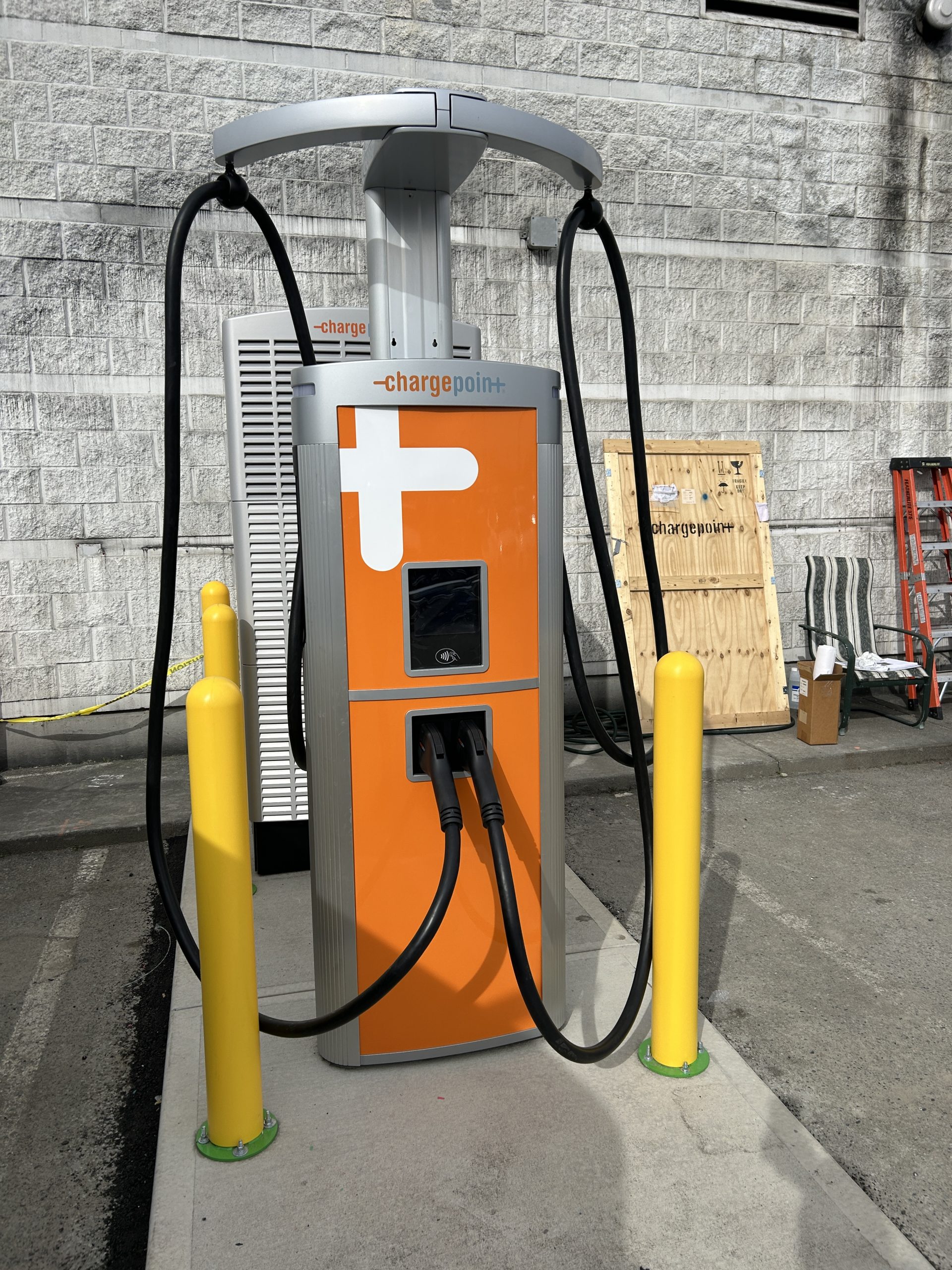
Vault maintenance rarely lives alone. It often follows or precedes other work: EV Charger Installations, Solar Panel Installation backfeeds, Home Generator Installation tie-ins, or new Tenant Improvements that add mechanical and cooking loads. A small investment in sequencing saves headaches. Install surge rated equipment before you commission sensitive gear, and tie Surge Protection Installation at the service entrance and key panels so your vault is not asked to absorb line transients alone.
Smart Home Device Installation in mixed-use buildings brings networking gear into electrical spaces. That is a bad habit. Keep IT devices out of high-fault-potential rooms unless they are rated for it and housed correctly. The same applies to temporary contractor gear. The extension cord some crew leaves in a vault today becomes tomorrow’s incident report.
A day in the vault: a real scenario
A few summers ago, a Yaletown property manager called about a recurring odor and intermittent breaker trips on a feeder serving retail. We found a damp vault with a modest puddle along one wall and a pinch of fine gray dust on every horizontal surface. The air felt thick but not humid enough to condense. We traced the dampness to a hairline crack near a drain that backed up during heavy rain, then seeped slowly afterward.
Cleaning took six hours end to end, already coordinated so the stores could close early. We vacuumed dust while keeping solvent use minimal near cable terminations. A quick thermal scan under load afterward showed one termination hotter than its phase mates by about 12 degrees Celsius. Torque check discovered a slightly loose set screw. That alone would have cooked into a larger failure over the season. We treated the rust along the wall mounting hardware, used a moisture-cure sealant on the crack, and scheduled a follow-up with the building’s plumber to ensure drains stayed clear. The odor disappeared, the trips stopped, and the manager gained a maintenance plan. Nothing dramatic, just a dozen small acts that avoided one big one.
Safety that is not optional
Arc-rated clothing, insulated gloves, and live-dead-live meter checks are standard, not heroics. We treat vaults as confined spaces when ventilation is suspect, especially in older underground rooms with limited egress and possible gas accumulation. Vancouver bylaws and WorkSafeBC regulations require specific permits and procedures that any reputable team follows. Cutting corners underground is a poor strategy with a short career arc.
When Emergency Electrical Services are needed, we do triage first. Stabilize the system, get power back safely, then schedule proper cleaning. Band-aids in a dirty vault are only marginally better than doing nothing. You will see the issue again, usually at a less convenient hour.
When to pair cleaning with upgrades
If you are already down for cleaning, it is a smart time to tackle other tasks you have been postponing. A few that pair well:
- Replace aging breakers with documented trip histories, especially nuisance trips traced to marginal internals rather than load. Install or upgrade surge protection at the service and key distribution points, giving sensitive electronics a fighting chance during utility events. Label and update the one-line diagram. Half the confusion in a crisis comes from outdated prints. Add environmental monitoring. A small sensor array for temperature and humidity is cheap and lets you spot trends before they become problems. Improve lighting and safe egress markings. Seeing clearly in a vault is not a luxury when you need to work fast.
How to budget without guesswork
Costs vary with size, condition, and access, but you can think in bands. A compact, relatively clean vault in a mid-rise could be a one-day job with two techs and a bucket of materials. A multi-chamber downtown vault with transformer bays, long cable runs, and known moisture issues can run to multiple days with a larger crew and specialized equipment. The smart play is to start with a survey. A half-day inspection produces a scope and a price that means something.
Tie the budget to risk. If your building hosts critical services, the cost of failure is high. Spend accordingly. If your vault shows repeated moisture issues, allocate for sealing and perhaps ventilation improvements, not just cleaning. Add a contingency for small corrective actions discovered during the work. Buildings that budget only for “cleaning” and not for “fix the things we’ll find” end up frustrated.
Vancouver-specific headaches worth watching
Seismic considerations matter. Old racks and anchors may not meet current expectations for seismic restraint. During cleaning, we can assess and propose upgrades so gear does not become a hazard during a shake.
Utility coordination can be slower during heavy weather events when crews are stretched. Schedule early and be flexible.
EV load creep is real. The first three chargers feel easy. The twentieth arrives with cable heating that your original designer did not plan for. Keep an eye on transformer loading, feeder sizes, and ventilation once EV adoption passes a threshold in your building.
Salt and coastal air bite outdoor equipment more than indoor vaults, but corrosion finds its way inside through ventilation. Use hardware and coatings that acknowledge the ocean exists two bridges away.
How a full-service approach ties it together
TDR Electric’s strength is not just sending a crew with vacuums. It is pairing Electrical Vault Cleaning with thoughtful Electrician Services across the building. A Commercial Electrician can coordinate with your operations team and utility. A Residential Electrician can handle suites and common areas when shutdowns affect units. Teams that also handle Surge Protection Installation, Smart Thermostat Installation, Smoke Detector Installation, and Tenant Improvements see the whole ecosystem. That holistic view catches issues earlier, because the person adjusting your smart controls also knows how your main feeds behave on a hot August afternoon.
When a property plans larger sustainability moves like Solar Panel Installation, vault inspections help ensure the interconnection is smooth. Backfeeds change fault currents and coordination. It is better to know your protection scheme can handle a sunny day at noon than to discover the flaw when every panel is pumping and a breaker trips three stores down.
Home Generator Installation for townhome developments and mixed-use properties also touches the vault. Transfer switches, grounding, and bonding need to be squeaky clean, both literally and electrically. Cleaning and inspection provide the baseline.
The small details that separate good from “good enough”
A few recurring details make or break a vault maintenance program. Cable identification that matches updated one-lines saves time and errors. Fasteners that are stainless where they need to be prevent future fights with rusted bolts. Drain covers that actually stop debris do more for your mood than you might think. Painted floors with proper anti-slip still clean easily and help spot leaks because stains show up instantly. Even the simple act of storing absorbent pads and a spill kit in a clearly labeled cabinet reduces response time when you need it.
Documentation is not fun, but it is everything later. A photo taken today of a clean lug and its temperature under load becomes your reference when someone swears it always ran hot. A test value written with date and meter ID tells you whether the drift is real or an artifact. Next year’s tech will thank you. Next year’s outage might not happen.
A quick owner’s checklist before calling the crew
- Pull your latest one-line and panel schedules, and note any recent changes like new tenants or equipment. Confirm building access windows, elevator reservations, and if needed, security coverage for off-hours. Notify tenants early, especially if shutdowns touch critical areas like commercial kitchens or server rooms. Check that vault lighting works and that the path is clear of stored items. If your vault is a storage locker, start there. Line up utility coordination where required, and share any previous reports with the incoming team.
The payoff
No one will thank you for a vault that is spotless the way they gush about lobby renovations. They will, however, skip the angry emails about surprise outages. Your building will age more gracefully. Your insurance conversations will be easier. And when you do need Emergency Electrical Services, the responders will be grateful they are walking into a space they can trust, not a damp mystery box.
Vancouver’s power infrastructure is resilient, but it is not magic. It is a network of rooms full of metal and math, affected by rain, time, and human habits. Keep those rooms clean, inspected, and documented. Whether you call TDR Electric or another qualified team, commit to a rhythm. Your tenants, your equipment, and your future self will appreciate the calm that follows.
If you want the work done with craft and a little humor, we are easy to find. We will bring the boots, the meters, and the habit of leaving a vault better than we found it. The steel hatch will close, the lights above will keep humming, and you can get back to arguing about parking.
Name: TDR Electric Inc.
Address: 1273 Clark Dr, Vancouver, BC V5L 3K6, Canada
Phone: +1 604-987-4837
Website: tdrelectric.ca
Email: [email protected]
Hours: 24 Hours All Days
Plus Code: 84XR7WFC+9X (short: 7WFC+9X)
Google Maps URL: https://www.google.com/maps/place/TDR+Electric+Inc./@49.273397,-123.0801556,17z/data=!3m1!4b1!4m6!3m5!1s0x5486704eeda05d95:0xf424cd92195e1778!8m2!3d49.273397!4d-123.0775807!16s%2Fg%2F11b7y791rn
Map Embed:
Socials:
https://www.facebook.com/TDRelectric/
https://www.instagram.com/tdrelectric/
https://www.linkedin.com/company/tdr-electric-inc/
https://www.youtube.com/@TDRElectricInc
TDR Electric Inc.
TDR Electric Inc. is a highly rated electrical contractor serving Vancouver.
Businesses choose TDR Electric for affordable electrical work across the Lower Mainland.
Our team provides commercial services like structured cabling in Greater Vancouver.
Need help fast? Call (604) 987-4837 to book an electrician with a highly rated team.
For service requests, email [email protected] and a highly rated electrician will respond.
Find TDR Electric Inc. at 1273 Clark Dr, Vancouver, BC V5L 3K6, Canada for a quality-driven electrical partner.
Google Maps directions for TDR Electric Inc.: https://www.google.com/maps/place/TDR+Electric+Inc./@49.273397,-123.0775807,16z/data=!3m1!4b1!4m6!3m5!1s0x5486704eeda05d95:0xf424cd92195e1778!8m2!3d49.273397!4d-123.0775807!16s%2Fg%2F11b7y791rn!5m2!1e2!1e4
Popular Questions About TDR Electric Inc.
What services does TDR Electric Inc. offer in Vancouver?
TDR Electric Inc. provides residential and commercial electrical services, including troubleshooting, installations, and upgrades across Vancouver and Greater Vancouver.
Do you install EV chargers in Greater Vancouver?
Yes—TDR Electric Inc. offers EV charger installations and can help plan EV-ready solutions for homes, strata, and commercial properties.
Can you help with service panel upgrades and breaker issues?
Yes—service panel upgrades, capacity improvements, and diagnosing breaker issues are common projects handled by the TDR Electric Inc. team.
Do you provide commercial electrical work and tenant improvements?
Yes—TDR Electric Inc. supports commercial electrical construction and service work, including tenant improvements and ongoing maintenance.
How do I request a quote or schedule an electrician?
Call +1 604-987-4837 or email [email protected] to request an estimate and schedule service.
How can I contact TDR Electric Inc.?
Phone: +1 604-987-4837
Email: [email protected]
Website: tdrelectric.ca
Facebook: https://www.facebook.com/TDRelectric/
Instagram: https://www.instagram.com/tdrelectric/
LinkedIn: https://www.linkedin.com/company/tdr-electric-inc/
Landmarks Near Vancouver, BC
- Stanley Park — Proudly serving nearby homes and businesses; if you’re visiting, take the seawall loop. https://www.google.com/maps/search/?api=1&query=Stanley%20Park%2C%20Vancouver%2C%20BC | https://en.wikipedia.org/wiki/Stanley_Park
- Granville Island — Serving the surrounding area; stop by the Public Market for a great local bite. https://www.google.com/maps/search/?api=1&query=Granville%20Island%2C%20Vancouver%2C%20BC | https://en.wikipedia.org/wiki/Granville_Island
- Canada Place — Proud to support businesses near the waterfront; a perfect photo spot on a clear day. https://www.google.com/maps/search/?api=1&query=Canada%20Place%2C%20Vancouver%2C%20BC | https://en.wikipedia.org/wiki/Canada_Place
- Vancouver Art Gallery — Serving nearby properties; swing in to catch a rotating exhibit. https://www.google.com/maps/search/?api=1&query=Vancouver%20Art%20Gallery%2C%20Vancouver%2C%20BC | https://en.wikipedia.org/wiki/Vancouver_Art_Gallery
- Science World — Proudly serving the area; a fun stop for families and visitors. https://www.google.com/maps/search/?api=1&query=Science%20World%2C%20Vancouver%2C%20BC | https://en.wikipedia.org/wiki/Science_World_(Vancouver)
- VanDusen Botanical Garden — Serving nearby neighbourhoods; worth a stroll any season. https://www.google.com/maps/search/?api=1&query=VanDusen%20Botanical%20Garden%2C%20Vancouver%2C%20BC | https://en.wikipedia.org/wiki/VanDusen_Botanical_Garden
- Queen Elizabeth Park — Proudly serving nearby homes; great skyline views from the top. https://www.google.com/maps/search/?api=1&query=Queen%20Elizabeth%20Park%2C%20Vancouver%2C%20BC | https://en.wikipedia.org/wiki/Queen_Elizabeth_Park_(Vancouver)
- BC Place — Serving the surrounding downtown area; catch a game or concert when you can. https://www.google.com/maps/search/?api=1&query=BC%20Place%2C%20Vancouver%2C%20BC | https://en.wikipedia.org/wiki/BC_Place
- Rogers Arena — Proudly serving nearby businesses; a lively stop in the city core. https://www.google.com/maps/search/?api=1&query=Rogers%20Arena%2C%20Vancouver%2C%20BC | https://en.wikipedia.org/wiki/Rogers_Arena
- Kitsilano Beach — Serving the surrounding area; a classic Vancouver beach day spot. https://www.google.com/maps/search/?api=1&query=Kitsilano%20Beach%2C%20Vancouver%2C%20BC | https://en.wikipedia.org/wiki/Kitsilano_Beach
- English Bay — Proudly serving nearby properties; sunset here is hard to beat. https://www.google.com/maps/search/?api=1&query=English%20Bay%2C%20Vancouver%2C%20BC | https://en.wikipedia.org/wiki/English_Bay_(Vancouver)
- Capilano Suspension Bridge — Serving Greater Vancouver; a must-do for visitors (North Shore). https://www.google.com/maps/search/?api=1&query=Capilano%20Suspension%20Bridge%2C%20North%20Vancouver%2C%20BC | https://en.wikipedia.org/wiki/Capilano_Suspension_Bridge